Helping Your Autistic Child Make Friends and Fit In at School: A Guide for Worried Parents
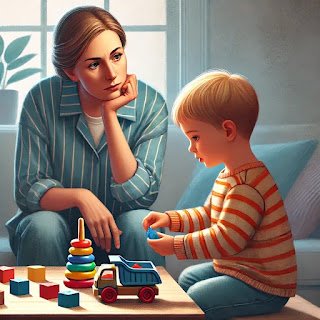
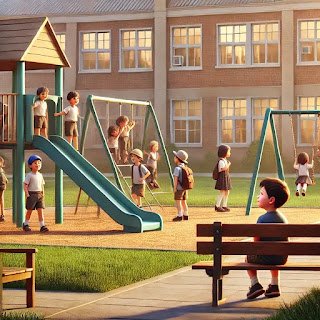
As a parent, one of your biggest hopes is that your child finds happiness, connection, and a sense of belonging. But for parents of autistic children, me included, the worry that our child might struggle to make friends or fit in at school can feel overwhelming. If you’re facing this concern, know that you are not alone, and more importantly, there are ways to help. I used to say that when my child started school, I would be that parent hiding behind a tree at lunch times to see if my child was making friends!
Understanding Social Challenges in Autism
Autistic children often experience social interactions differently from their neurotypical peers. They may struggle with unspoken social rules, find group settings overwhelming, or have different ways of expressing interest in friendships. This doesn’t mean they don’t want friends—it simply means they may need a little more guidance and support in forming connections.
How to Help Your Child Build Friendships
1. Encourage Special Interests as a Social Bridge
Many autistic children have strong interests in specific topics. Encourage your child to participate in clubs or activities related to their interests, as this can naturally connect them with peers who share similar passions.
2. Find the Right Social Environment
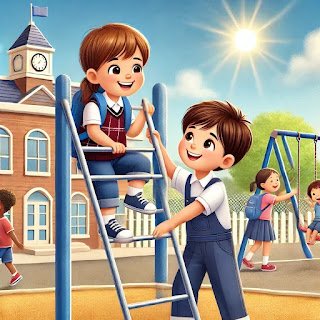
Some school settings can be overwhelming for autistic children. Talk to teachers or school staff about creating structured opportunities for social interaction, such as small-group activities or buddy programs.
3. Teach Social Skills in a Supportive Way
Role-playing, social stories, and visual aids can help your child understand different social scenarios. Practicing greetings, turn-taking, and conversation skills at home can build their confidence for real-world interactions.
4. Seek Out Like-Minded Peers
Instead of pushing your child to befriend popular kids or large groups, focus on helping them find friends who appreciate them for who they are. Sometimes, just one close friend can make all the difference.
5. Communicate with Teachers and Support Staff
Teachers play a key role in fostering a positive social environment. Keep open communication with school staff to ensure they understand your child’s needs and can provide appropriate support.

6. Explore Social Groups Outside of School
School isn’t the only place to build friendships. Look for local autism-friendly social groups, playgroups, or special interest meet-ups where your child can connect with others in a relaxed and understanding environment.
7. Celebrate Their Unique Social Style
Not all children express friendship in the same way. Some may prefer parallel play, where they enjoy being near others without direct interaction, and that’s okay! Encourage their preferred ways of socializing rather than forcing traditional expectations.

Supporting Your Child Emotionally
While making friends is important, so is helping your child feel valued just as they are. Reinforce their self-worth by celebrating their strengths and achievements. Encourage them to express their feelings and reassure them that friendship doesn’t have to look the same for everyone.
When to Seek Additional Support
If your child is experiencing severe isolation, anxiety, or bullying, it may be time to seek additional help. A school counsellor, therapist, or autism specialist can offer personalized strategies to support their social development and emotional well-being.
Final Thoughts
Your child is unique, and their journey to friendship may not follow the typical path—but that doesn’t mean they won’t find meaningful connections. With patience, guidance, and a focus on their strengths, you can help them navigate social challenges and find friendships that truly enrich their life.
Remember, fitting in isn’t about being like everyone else—it’s about feeling accepted and valued for who you are.